The Heavy Lid
When "Tired Eyes" Are Actually a Structural Issue
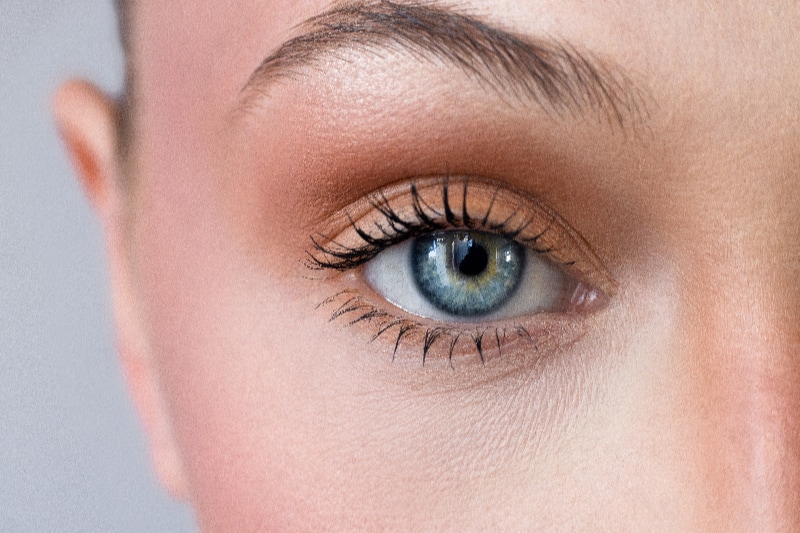
By 4:00 PM, that tired feeling is hard to ignore. It’s like a weight on your forehead, and you might tilt your head back just to see the screen clearly. You might catch yourself raising your eyebrows repeatedly to clear your vision, and over time, that can leave lines on your forehead.
In my practice in Atlanta, I see people who have been trying to fix this tired look with things like caffeine creams and cold packs, only to find out that their droopy eyelids are more about anatomy than just not getting enough sleep. As a double board-certified facial plastic surgeon, I look deeper than just the skin. Figuring out why your eyelids are sagging is the key to getting back that bright, energetic look you actually have inside.
Identifying the Root Cause
One of the most frequent diagnostic errors I see is the assumption that all eyelid drooping is caused by excess skin. If we treat a muscle problem by only removing skin, the result is an eye that still looks sleepy regardless of how smooth the lid appears.
Ptosis (The Muscle Failure)
Belpharoptosis is a failure of the engine. The levator muscle, responsible for lifting the eyelid, becomes stretched or detached from its proper position. In this case, the actual margin of the eyelid sits too low, often obscuring the pupil and narrowing your field of vision. This is a structural correction that requires tightening the muscle itself.
Dermatochalasis (The Skin Excess)
Dermatochalasis is the classic hooded look. The muscle is functioning, but an abundance of loose, inelastic skin drapes over the natural crease. This skin can become so heavy that it rests on the eyelashes, creating a secondary weight that causes genuine physical discomfort by the end of the day.
Why Is This Happening? (Beyond Your Birthday)
While the aging process is the primary driver of structural changes, it isn't the only factor. Genetics plays a significant role—some of us are simply born with a lower brow position or a predisposition for hooded lids.
However, there is a modern culprit I see frequently in Atlanta: Contact Lens Ptosis. Decades of chronic tugging on the eyelid to insert or remove lenses can gradually stretch the levator muscle’s attachment. If you’ve been a lifelong lens wearer and notice one lid sitting lower than the other, your routine might be the cause.
A Clinical Note on Sudden Changes:
If you notice a droopy eyelid that appeared suddenly—especially if accompanied by a change in pupil size or double vision—this is not a cosmetic issue. It requires an immediate medical evaluation to rule out neurological conditions like Myasthenia Gravis or Horner’s Syndrome.
Non-Surgical Fixes: What Actually Works?
For patients with mild to moderate drooping who aren't ready for the operating room, we have several sophisticated tools to provide a temporary lift.
- Upneeq (The Liquid Lift): This is the first FDA-approved eye drop for acquired ptosis. It works by stimulating the Mueller’s muscle (an accessory lifting muscle). A single drop can provide about 1mm of lift for 6 to 8 hours. It’s an excellent test drive for patients considering surgery.
- Precision Neurotoxins: By strategically injecting Botox or Dysport into the muscles that pull the brow downward (the depressors), we allow the forehead muscles to lift the brow and lid more effectively.
- Radiofrequency Tightening: Treatments like Morpheus8 use microneedling and RF energy to contract the skin around the periorbital area. This is ideal for early-stage dermatochalasis where the skin is just starting to lose its snap.
The Surgical Standard: Ptosis Repair vs. Blepharoplasty
When non-surgical options no longer provide the necessary support, surgery is the most effective way to achieve a long-lasting, natural result.
Blepharoplasty (Removing the Hood)
A blepharoplasty focuses on removing the redundant skin and, occasionally, repositioning small amounts of protruding fat. I place the incisions carefully within the natural crease of the eyelid so that, once healed, they are virtually undetectable even when the eyes are closed. Depending on your anatomy, a blepharoplasty may improve drooping tear glands or loose muscle.
Ptosis Repair (Tightening the Engine)
If the lid margin itself is low, a ptosis repair is required. This involves tightening the levator muscle to pull the eyelid back up to its proper anatomical height.
In many cases, a hybrid procedure is performed in which a ptosis repair is done in combination with a blepharoplasty. If we only remove the skin but leave a weak muscle, the eye will still look sleepy. By addressing both the skin and the muscle, we harmonize the entire upper third of the face.
Recovery and The Social Downtime Timeline
I am always honest with my patients: surgery involves an ugly phase. You won't be in significant pain—most patients describe it as a tight, full sensation, but you will have visible signs of surgery.
- Days 1–3: Expect peak swelling and some bruising. I recommend a frozen pea compress; it contours to the eye better than a rigid ice pack.
- Day 7: We remove the sutures in the office. This is a major milestone. Most patients feel comfortable running errands with sunglasses at this point.
- Day 14: Most bruising has faded. You can safely wear makeup and return to your full social calendar. You won't look operated on; you’ll just look like you’ve been on a very long, very restful vacation.
Why an Oculofacial Approach Matters
The eyelid is a map of millimeters. There are delicate tear glands, sensory nerves, and the ocular surface itself to protect. Choosing a surgeon who specializes in the face—and specifically the periorbital region—ensures that your safety is prioritized alongside the aesthetic outcome.
My goal is never to change the shape of your eyes or give you a surprised look. It is to clear the path for your eyes to be seen clearly and for you to see the world without effort.
Frequently Asked Questions
Does ptosis surgery hurt?
The procedure is typically done under local anesthesia with twilight sedation. You are relaxed and pain-free. Afterward, most patients manage any minor discomfort with extra-strength Tylenol.
Can I have an eyelid lift if I’ve had LASIK?
Yes, but we generally recommend waiting at least six months after LASIK to ensure your tear film and corneal surface have completely stabilized.
How long do the results last?
A surgical eyelid lift is exceptionally long-lasting. While we cannot stop the aging process entirely, most patients do not need to repeat a blepharoplasty for 10 to 15 years, if ever.
Will it fix my under-eye bags, too?
An upper blepharoplasty only addresses the upper lid. If you have bags or hollowness under the eyes, we would look at a lower blepharoplasty or dermal fillers to balance the midface.
Ready to address the weight on your lids? Schedule a consultation at Kerolus Facial Plastic Surgery today to discuss your anatomical goals.

